

Paul’s Perspective:
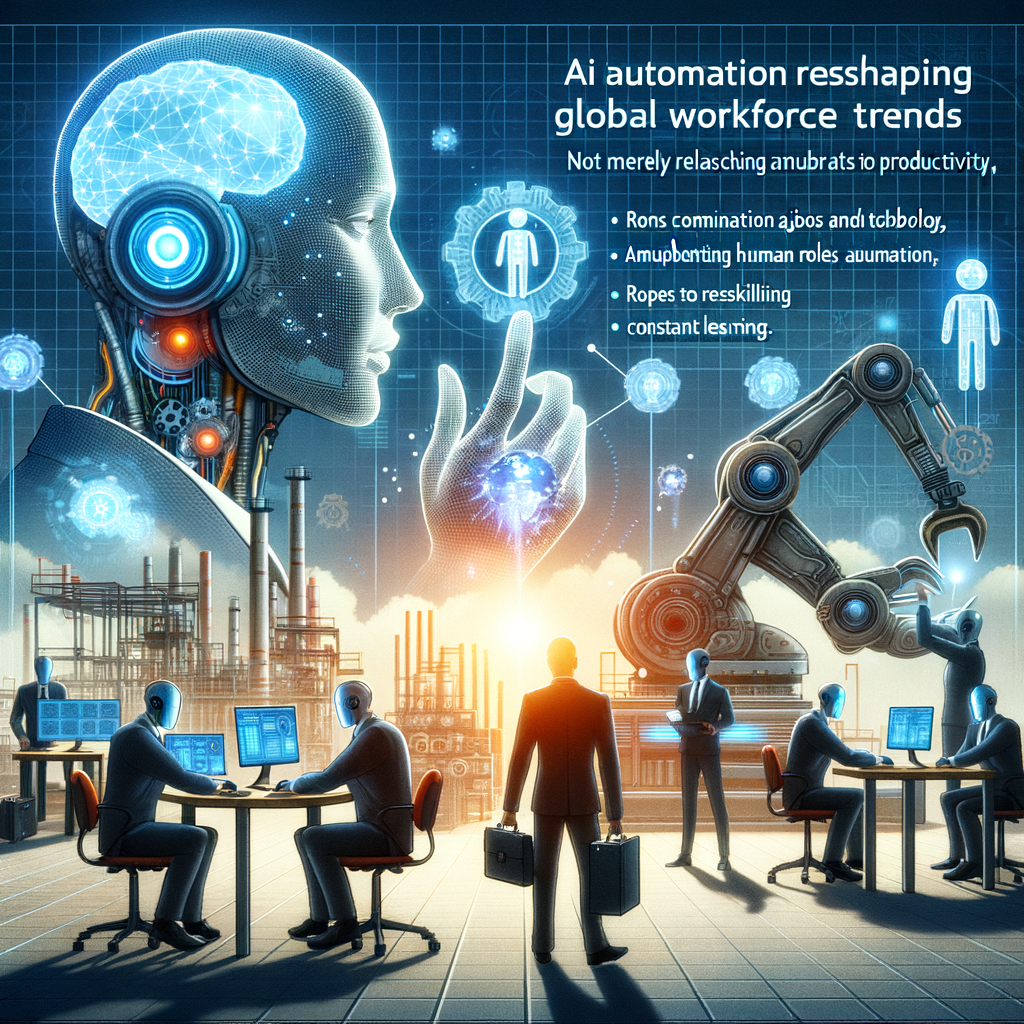
Staying ahead in a rapidly automating landscape means business leaders need to rethink talent strategies and invest in upskilling. Understanding these shifts now helps companies future-proof their operations and maintain a competitive edge.
Key Points in Article:
- Workforce automation is expected to impact approximately 300 million full-time jobs globally over the next decade.
- The rise of AI technologies is pushing companies to prioritize reskilling and employee adaptability.
- Regions and sectors with high routine task roles face the greatest disruption risk.
Strategic Actions:
- Assess current workforce skills and identify potential automation impact areas.
- Develop a reskilling and upskilling strategy for affected job roles.
- Integrate AI and automation with a focus on augmenting, not just replacing, human roles.
- Foster a culture of adaptability and continuous learning among teams.
Dive deeper > Full Story:
The Bottom Line:
- Businesses worldwide are rapidly embracing AI and automation to boost productivity and reduce costs.
- This shift is fundamentally changing job roles and required skills across industries.
Ready to Explore More?
We work alongside you to bring strategic insights and practical steps for navigating the impacts of AI and automation, so your team can adapt and thrive in this evolving landscape.