

Paul’s Perspective:
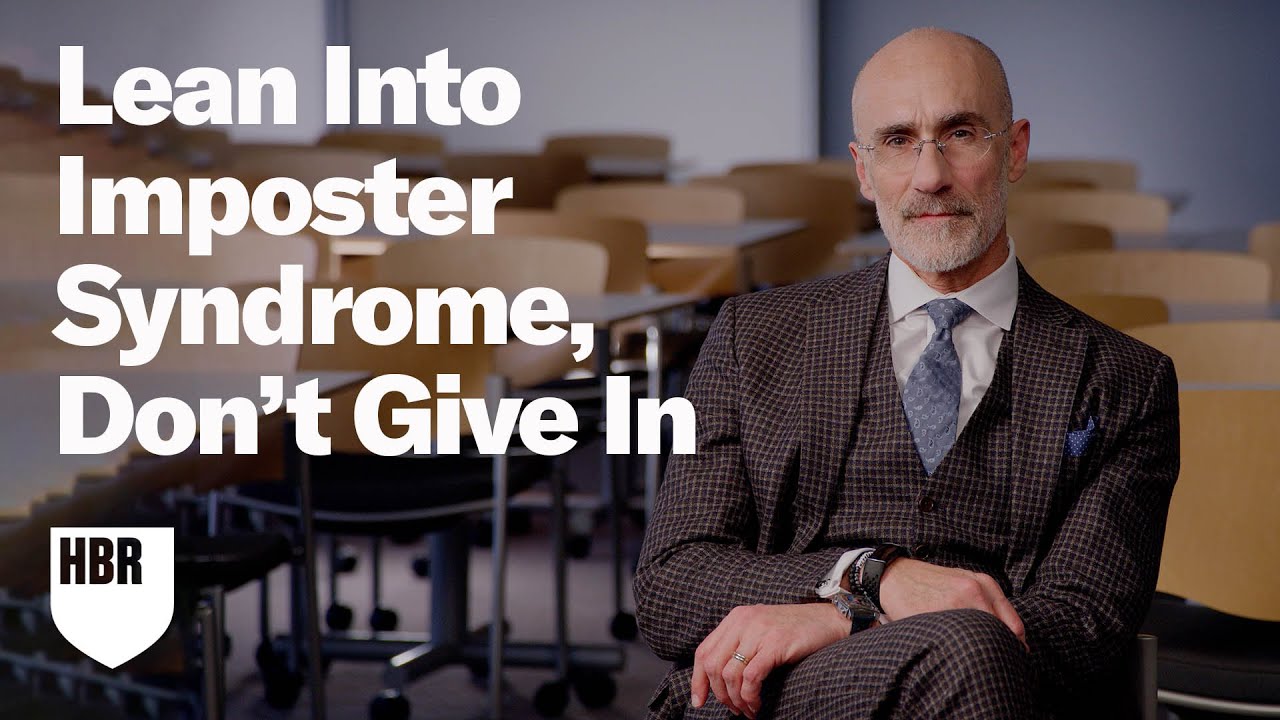
Many business leaders experience imposter syndrome—often the result of striving for excellence, not a lack of ability. When recognized and reframed, these feelings can be leveraged as a practical roadmap for skill development and personal advancement, reducing the risk of costly blind spots and promoting healthier, more effective teams.
Key Points in Video:
- Executives who experience imposter syndrome are typically high achievers, not underperformers.
- Reframing discomfort as diagnostic feedback supports targeted professional development.
- Avoiding overconfidence helps differentiate from toxic leadership traits found in “dark-triad” personalities.
- Turning discomfort into disciplined action fosters authentic and sustained growth.
Strategic Actions:
- Pause to acknowledge and normalize feelings of self-doubt.
- Distinguish humility from true incompetence or imposterism.
- Reframe imposter feelings as constructive feedback.
- Identify specific skills or knowledge gaps revealed by these feelings.
- Create a plan for targeted professional development.
- Channel discomfort into disciplined, growth-oriented action.
The Bottom Line:
- Self-doubt can signal valuable humility rather than incompetence.
- Learning to view imposter feelings as feedback helps leaders identify and address skill gaps for continuous improvement.
Dive deeper > Source Video:
Ready to Explore More?
We work alongside leaders to turn self-doubt into strengths, helping your team unlock its full potential and thrive in challenging environments. Connect with us if you’d like to explore practical ways to strengthen your leadership approach.