

Paul’s Perspective:
Age-based income tables can be useful, but leaders should treat them as directional benchmarks—not targets. “Average” often hides wide spreads by industry, geography, experience, and company size.
The practical leadership move is to turn benchmarks into decisions: compensation strategy, pricing power, and productivity investments. If your org is below-market in key roles, you’ll pay for it in churn and stalled execution; if you’re above-market without performance leverage, margins get squeezed.
For owners, these comparisons also clarify personal runway. Align what the business can sustainably pay with what your household needs, and make the gap explicit so you can fix it with pricing, role redesign, or a tighter capital plan.
Key Points in Article:
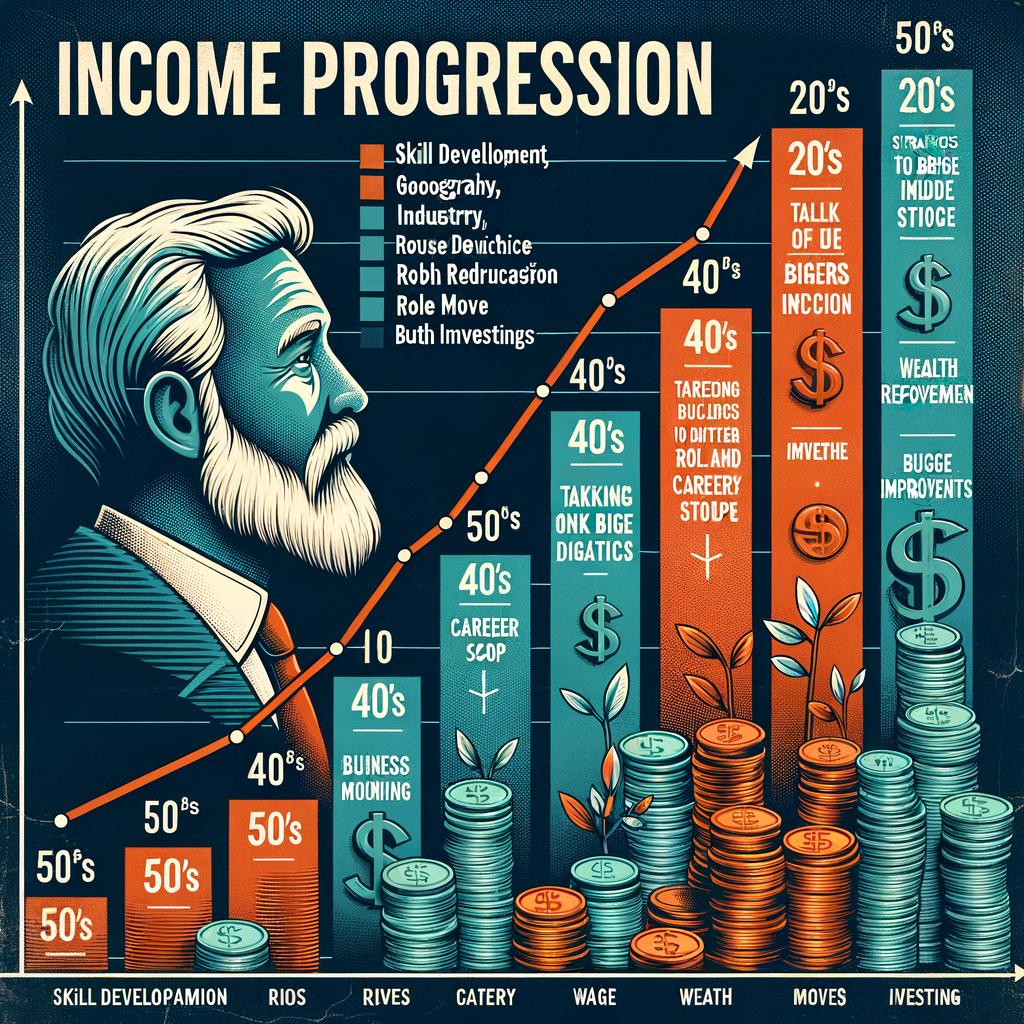
- Uses age-band comparisons (e.g., 20s, 30s, 40s, 50s+) to show typical income progression over a career arc.
- Highlights that “average” can be misleading; median pay and location/cost-of-living differences change what’s realistic.
- Calls out common drivers of income jumps: role changes, promotions, switching employers, and acquiring in-demand skills.
- Emphasizes separating income from wealth-building—savings rate, debt load, and investing often matter more than gross pay.
Strategic Actions:
- Compare income levels by age band to understand typical progression.
- Segment benchmarks by context (industry, geography, role) before drawing conclusions.
- Evaluate whether your current compensation aligns with market reality and cost-of-living.
- Identify the biggest levers to increase earnings (skills, role scope, employer change, promotion path).
- Separate income goals from wealth goals by focusing on savings rate, debt reduction, and investing discipline.
- Set a 12–24 month plan to close gaps through pricing, career moves, or business improvements.
Dive deeper > Full Story:
The Bottom Line:
- Income benchmarks by age are shifting fast, and the real signal is how far your earnings lag or lead peers as costs rise.
- Audit your compensation, pricing, and savings targets against age-based ranges and adjust plans for the next 12–24 months.
Ready to Explore More?
If you want to sanity-check pay ranges, pricing, and the operational changes needed to support higher compensation, we can help you build a simple benchmark-driven plan. Reply back and we’ll talk through what would move the needle fastest.