

Paul’s Perspective:
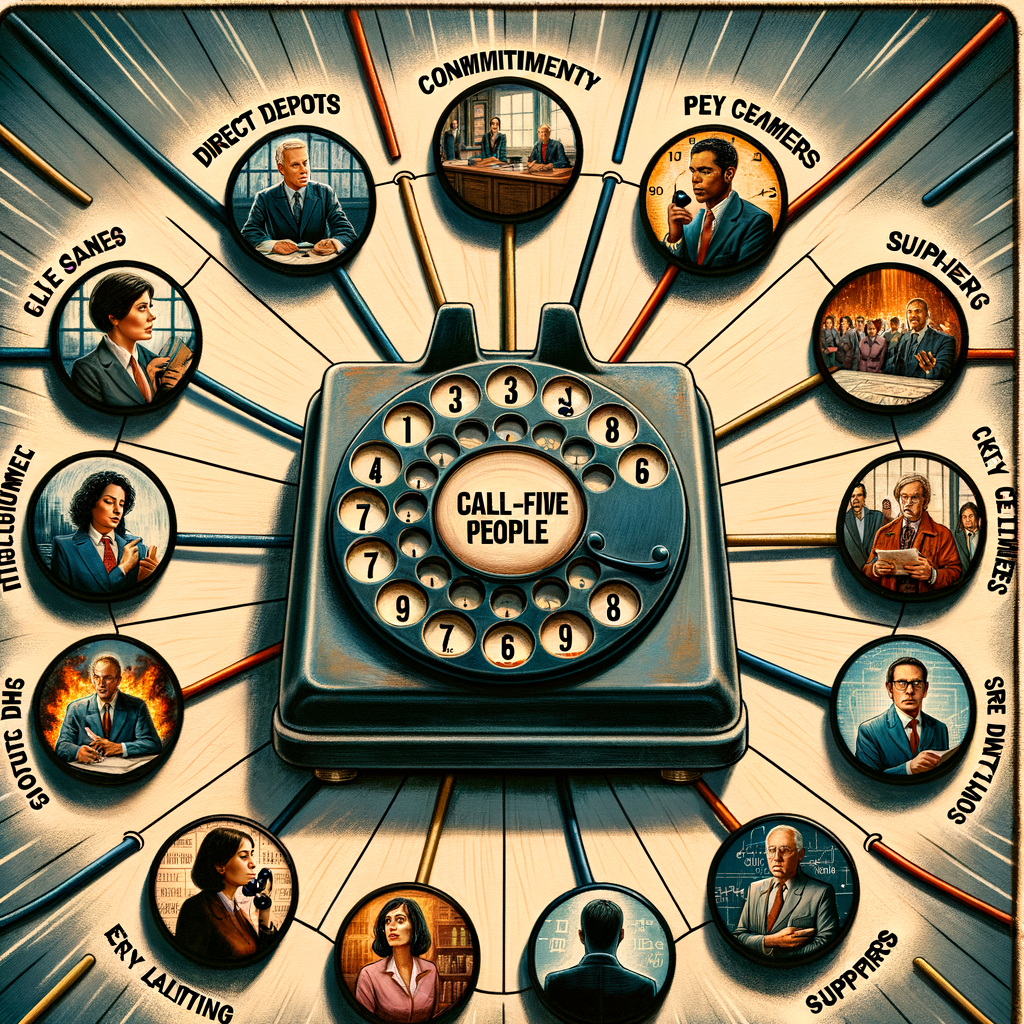
Leadership often fails in the gaps between meetings, where assumptions harden and small issues become expensive surprises. A simple, repeatable outreach habit creates a steady feedback loop that surfaces weak signals early.
The tradeoff is time and attention: proactive calls feel less urgent than the fire drills they prevent. Leaders who operationalize relationship maintenance as a routine, not an improvisation, reduce noise, speed decisions, and build trust that holds under pressure.
Key Points in Article:
- Pick five high-impact relationships (direct reports, peers, key customers, suppliers) and rotate the list as priorities shift.
- Use calls for two purposes: listen for friction early and reinforce what “good” looks like through clear expectations.
- Keep it lightweight: 5–10 minutes per call with one note captured (risk, need, commitment, next step).
- Turn insights into action by closing loops within 24–48 hours on anything you promise to follow up on.
Strategic Actions:
- Identify five people whose clarity and trust most affect outcomes right now.
- Schedule a recurring cadence for short calls (daily or weekly, depending on volatility).
- Start each call by asking what’s working, what’s stuck, and what would help most.
- Listen for early warning signals: confusion, misalignment, delays, customer friction, morale dips.
- Reinforce priorities and expectations in one sentence to prevent drift.
- Capture one concrete note and one next step per call.
- Follow up quickly on commitments and close the loop.
- Review and refresh the five-person list as projects and risks change.
Dive deeper > Full Story:
The Bottom Line:
- Signals of uncertainty spread fast; consistent outreach stabilizes teams and relationships.
- Standardize a simple cadence to call five key people regularly and track follow-ups to reduce surprises and improve alignment.
Ready to Explore More?
If you want to turn leadership communication into a repeatable operating rhythm, we can help you design a simple outreach cadence and follow-up system that fits your team. Reply if you’d like to compare notes on what would work in your org.