

Paul’s Perspective:
Understanding the decline in basic academic skills highlights a growing talent gap that businesses must plan for—today’s students are tomorrow’s workforce. Organizations relying on future-ready skills may need to invest more in training and development to bridge these gaps and ensure sustainable growth.
Key Points in Article:
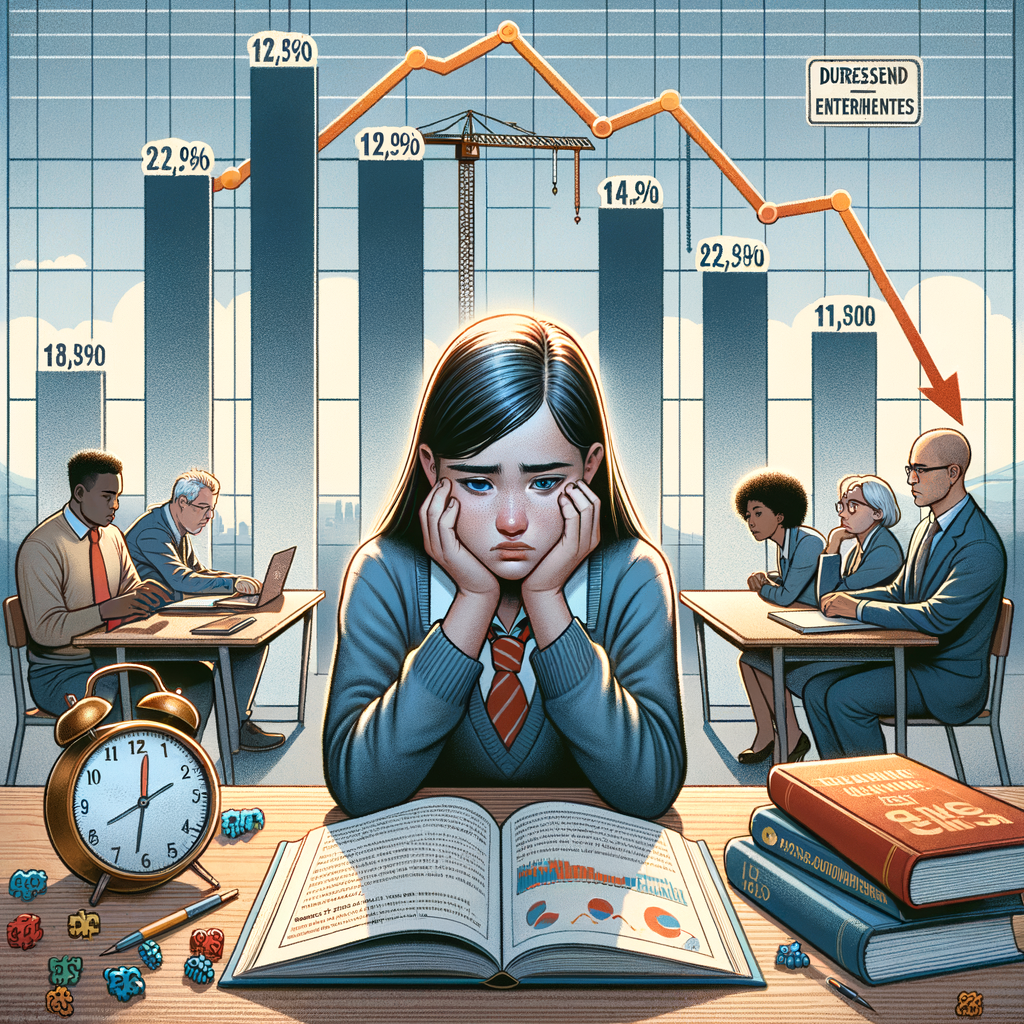
- Latest national assessment reports indicate math proficiency among 13-year-olds fell by 9 points since 2020, the largest drop in 50 years.
- Reading scores also declined by 4 points, with only about one-third of students demonstrating proficiency.
- Disparities have widened, as low-performing students and students of color experienced greater declines.
- Technology exposure during remote learning did not offset the negative academic impacts of the pandemic.
Strategic Actions:
- Track education trends and recognize shifts in student performance data.
- Assess potential impacts of declining skills on recruitment and workforce quality.
- Engage in partnerships or initiatives to support educational improvement in local communities.
- Invest in internal programs for upskilling and ongoing employee development.
Dive deeper > Full Story:
The Bottom Line:
- A steady drop in high school students’ math and reading performance is raising alarm across the education sector.
- This trend may result in long-term challenges for workforce readiness and economic growth.
Ready to Explore More?
We work together with forward-thinking businesses to help anticipate and overcome talent and skills challenges, finding ways to strengthen your team’s capabilities for the future. Let’s connect to explore how our collaborative approach can help you adapt and thrive.