
Paul’s Perspective:
Cold outreach is often treated like a volume game, but leadership teams should treat it like a measurable revenue process with controllable inputs. The meaningful question isn’t “What’s the average response rate?” but “Where does our funnel leak and why?”
If you rely on generic benchmarks, you can scale the wrong thing—more sends, more tools, more SDR time—while the real issue is list quality, positioning, or deliverability. The opportunity is to standardize measurement and experimentation so improvements compound without adding headcount.
This also forces a tradeoff decision: invest in better targeting/data and a tighter offer, or accept lower efficiency and higher acquisition costs. The winners build a repeatable testing cadence and make outreach a system, not an art project.
Key Points in Article:
- Use benchmarks as directional guardrails, not forecasts; your ICP fit and list source typically drive more variance than copy tweaks.
- Track each stage separately (deliverability → opens → replies → meetings) to pinpoint whether the constraint is targeting, messaging, or follow-up.
- Personalization should be tied to a real trigger (role, industry, tech stack, recent event) rather than generic “custom” lines that don’t change the offer.
- Follow-up strategy is a controllable lever; consistent multi-touch sequences usually outperform one-and-done sends when targeting is right.
Strategic Actions:
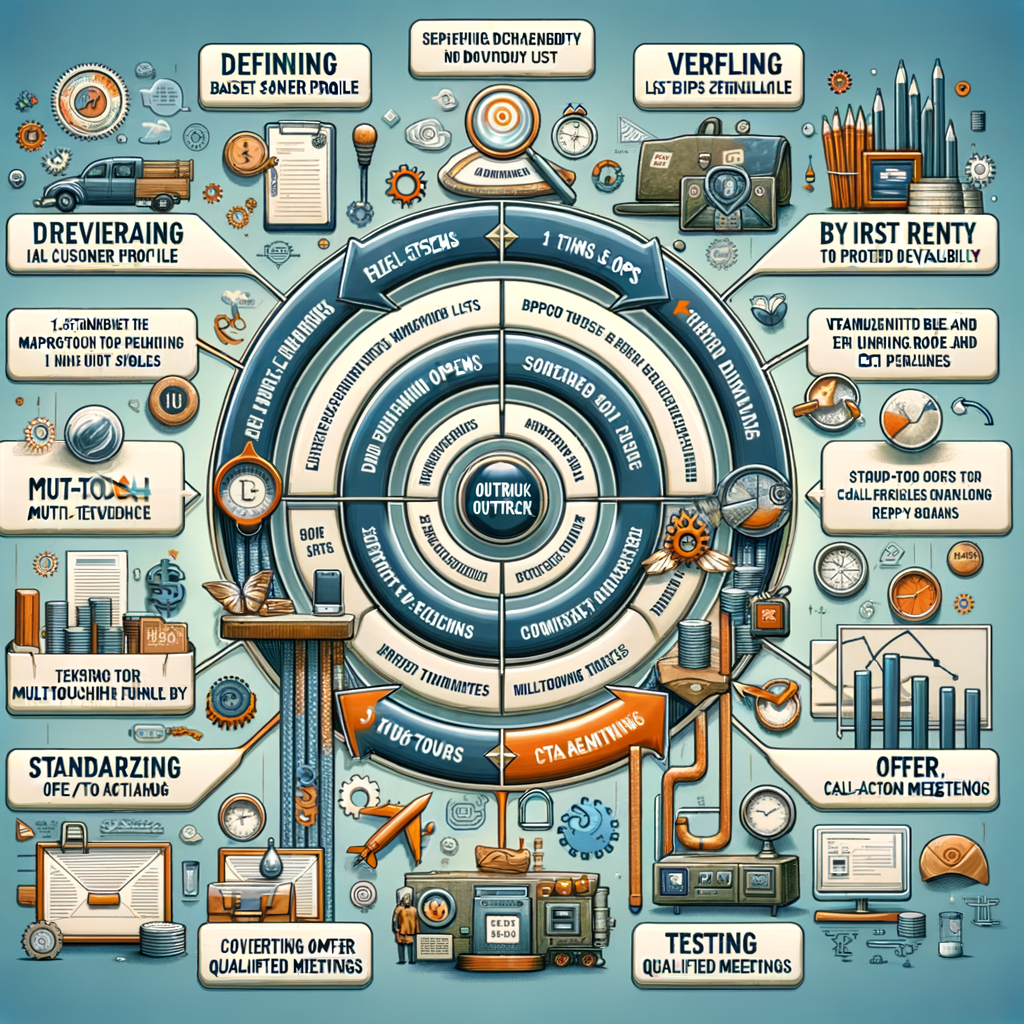
- Define the ideal customer profile and segment outreach lists by role, industry, and intent signals.
- Verify data sources and improve list hygiene to protect deliverability and reduce wasted sends.
- Map the outreach funnel metrics (deliverability, opens, replies, meetings) and set baselines.
- Standardize a multi-touch cadence and document timing across email and other channels.
- Test subject lines and first lines to improve opens without harming downstream reply quality.
- Test offer/CTA clarity to convert replies into qualified meetings.
- Measure results by segment and iterate weekly on the highest-impact constraint.
Dive deeper > Full Story:
The Bottom Line:
- Cold outreach performance varies widely by channel, list quality, and message relevance, so averages can mislead planning.
- Audit your outreach funnel end-to-end, then test subject lines, targeting, and follow-up cadence to lift replies and meetings without increasing volume.
Ready to Explore More?
If you want to turn cold outreach into a measurable system, we can help you audit your funnel and build a simple testing plan your team can run every week. Reply and tell me what you’re selling and who you’re targeting.