
Paul’s Perspective:
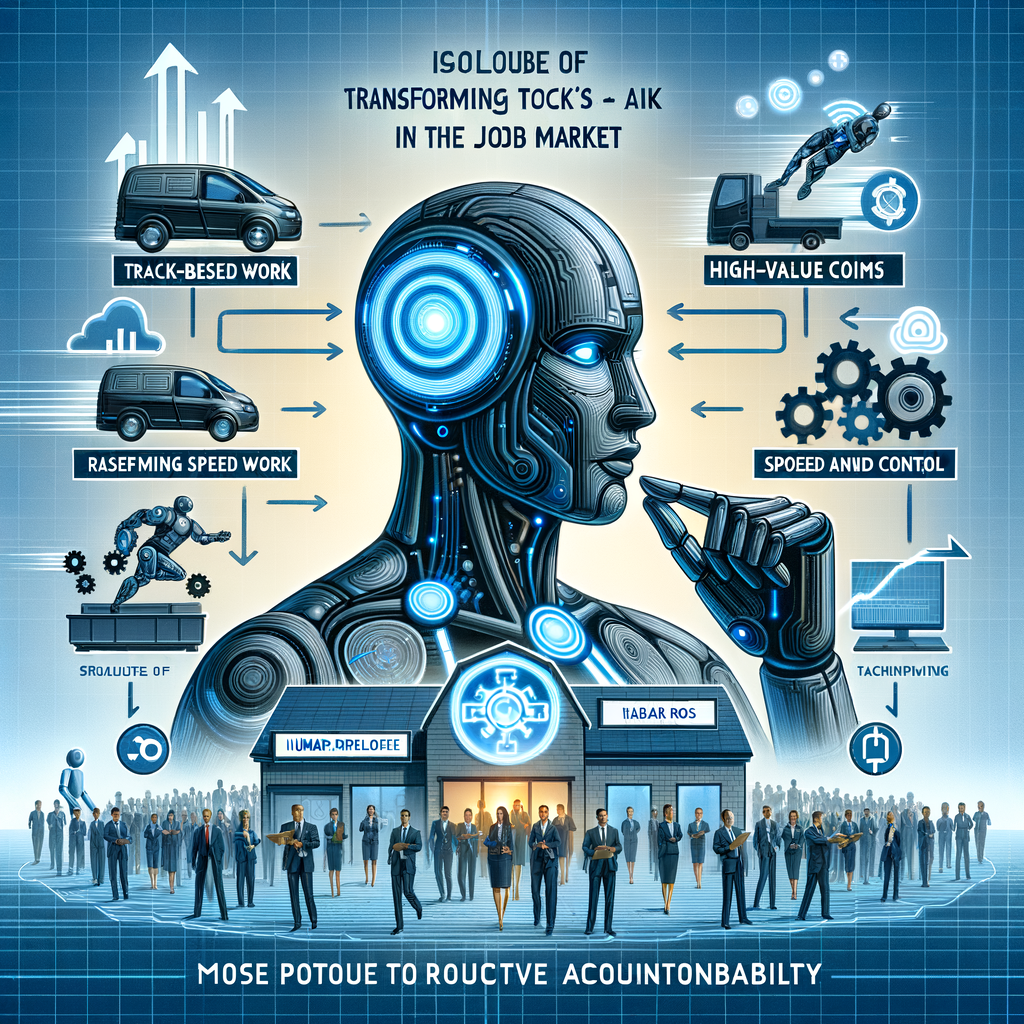
AI adoption is no longer just an efficiency play; it’s a labor model change. When a CEO frames AI integration as inevitable, it becomes a management mandate: redesign the work, not just add tools.
The tradeoff is speed versus control. Moving fast with AI can cut cycle time and cost, but it also increases the risk of quality drift, IP leakage, compliance gaps, and customer trust issues if accountability isn’t explicit.
The opportunity is to reallocate people to higher-value work—client strategy, creative direction, QA, and process ownership—while letting AI absorb repeatable production. Companies that treat this as org design will outperform those treating it as software procurement.
Key Points in Article:
- Marketplace and platform businesses are signaling that AI capability is becoming a baseline expectation for contractors and employees.
- Layoff discussions are increasingly tied to “AI integration” narratives, indicating a near-term mix of cost pressure and role redesign.
- Roles most exposed are those with repeatable outputs; roles that set direction, validate accuracy, and manage stakeholder outcomes gain relative power.
- Leaders should expect a skills shift toward prompt design, domain QA, workflow orchestration, and toolchain governance rather than standalone execution.
Strategic Actions:
- Identify the tasks in each role that are repeatable, template-driven, or easily spec’d.
- Map where AI can assist, automate, or accelerate those tasks without lowering quality.
- Redefine roles around outcomes: decision-making, client impact, quality assurance, and integration.
- Set clear accountability for AI-assisted deliverables, including review and sign-off.
- Standardize an approved AI tool stack and usage policies for security and compliance.
- Upskill teams on practical AI workflows (prompting, evaluation, and iteration).
- Update performance metrics to reward speed plus quality, not volume of output.
- Communicate workforce implications early and create transition paths for affected roles.
Dive deeper > Full Story:
The Bottom Line:
- AI is compressing task-based work and shifting value toward higher-leverage judgment and integration roles, putting routine positions at risk.
- Audit workflows for automatable tasks and redeploy talent toward customer impact, quality control, and AI-enabled delivery.
Ready to Explore More?
If you’re trying to figure out where AI should automate work versus where people should stay accountable, we can help you map workflows and redesign roles around measurable outcomes. Reply if you want a practical assessment and a 90-day implementation plan.